
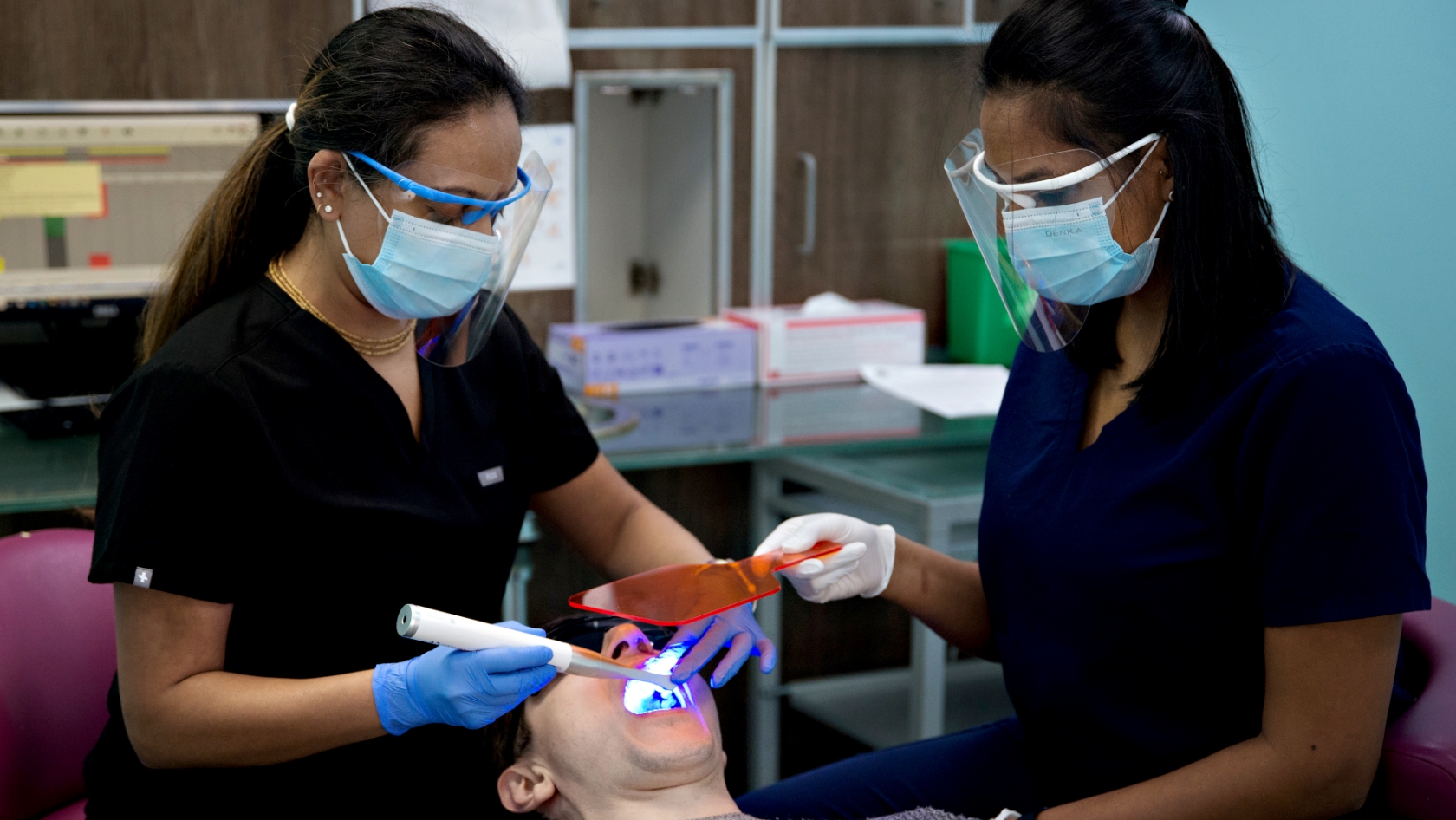
Losing a filling or dental crown can happen unexpectedly and often at the most inconvenient time. Whether it occurs while eating, brushing your teeth, or due to gradual wear over time, a lost restoration can quickly lead to discomfort, sensitivity, and concern about further damage to the tooth.
While some lost fillings or crowns may not initially feel painful, the exposed tooth underneath is often far more vulnerable to sensitivity, infection, and structural damage. Seeking prompt professional advice can help protect the tooth and reduce the risk of more serious dental problems developing.
If you are searching for an Emergency Dentist In Milton Keynes, understanding what to do after losing a filling or crown can help you manage the situation safely until you receive professional treatment.
What Is A Dental Filling?
A filling is used to restore a tooth that has been damaged by decay or minor fractures. After the damaged portion of the tooth is removed, the space is filled using restorative material to strengthen and protect the tooth.
Fillings help:
-
Restore tooth structure
-
Prevent further decay
-
Reduce sensitivity
-
Improve chewing function
-
Protect the inner nerve of the tooth
Over time, however, fillings can become worn, loose, or damaged.
What Is A Dental Crown?
A dental crown is a protective cap placed over a tooth to restore its shape, strength, and appearance.
Crowns are often recommended for teeth that are:
-
Heavily filled
-
Cracked or weakened
-
Root canal treated
-
Structurally damaged
-
Severely worn down
Crowns are designed to be durable, but they may occasionally become loose or fall out due to wear, decay, or damage to the underlying tooth.
Why Fillings And Crowns Fall Out
There are several reasons why a filling or crown may become loose or detached.
Wear And Tear
Daily chewing pressure gradually weakens dental restorations over time, especially older fillings and crowns.
Tooth Decay
New decay can sometimes form around the edges of a filling or crown, weakening the tooth structure underneath.
Cracked Teeth
If the supporting tooth becomes cracked or damaged, the restoration may loosen or fail.
Teeth Grinding
Grinding or clenching teeth places significant pressure on restorations and may increase the risk of breakage.
Sticky Or Hard Foods
Chewing hard sweets, sticky foods, or ice can occasionally dislodge restorations unexpectedly.
Symptoms After Losing A Filling Or Crown
Some patients experience immediate pain after losing a restoration, while others may only notice mild sensitivity initially.
Common symptoms include:
-
Sensitivity to hot or cold foods
-
Sharp pain when biting
-
A rough or sharp feeling on the tooth
-
Food becoming trapped in the area
-
Discomfort when chewing
-
Visible gaps or missing restorations
The level of discomfort usually depends on how exposed the underlying tooth structure becomes.
Why You Should Not Ignore A Lost Filling Or Crown
Even if the tooth is not currently painful, leaving it untreated may increase the risk of more serious problems developing.
Without protection, the exposed tooth may become:
-
More sensitive
-
Structurally weaker
-
Vulnerable to cracking
-
Susceptible to infection
-
More difficult to restore later
Prompt treatment may help preserve the tooth and avoid more extensive dental procedures.
When A Lost Filling Or Crown Becomes A Dental Emergency
Not every lost restoration requires immediate same-day treatment, but some situations should be assessed urgently.
You should contact an emergency dentist if you experience:
-
Severe pain
-
Swelling around the tooth or gums
-
Bleeding
-
Difficulty eating
-
Sharp edges causing injury inside the mouth
-
Signs of infection
-
A completely broken tooth
Pain or swelling may indicate that the nerve inside the tooth has become irritated or infected.
What To Do If A Filling Falls Out
If a filling becomes dislodged, there are several steps you can take before your dental appointment.
Keep The Area Clean
Gently brush and rinse the mouth to help reduce bacteria around the exposed tooth.
Avoid Chewing On The Tooth
Chewing on the affected side may increase the risk of cracking or damaging the tooth further.
Avoid Very Hot Or Cold Foods
Exposed teeth are often highly sensitive to temperature.
Be Careful With Sugary Foods
Sugary foods and drinks may trigger discomfort and increase irritation.
What To Do If A Crown Falls Out
If your crown becomes detached, try to keep it safe and bring it to your dental appointment if possible.
Avoid Attempting Permanent Repairs At Home
Temporary solutions may sometimes worsen the situation or damage the crown further.
Keep The Tooth Clean
Careful brushing can help reduce bacteria and food buildup around the exposed tooth.
Avoid Sticky Or Hard Foods
These foods may damage the weakened tooth structure underneath.
Contact A Dentist Promptly
Professional assessment is important to determine whether the crown can be reattached or requires replacement.
How Emergency Dentists Treat Lost Fillings And Crowns
Treatment depends on the condition of both the restoration and the underlying tooth.
Replacing Fillings
If the tooth remains healthy, a new filling may simply be placed to restore strength and function.
Recementing Crowns
If the crown is still in good condition and the tooth underneath is healthy, it may sometimes be possible to securely reattach the existing crown.
Replacing Crowns
Damaged or poorly fitting crowns may need to be replaced entirely.
Treating Decay Or Infection
If decay or infection is present beneath the restoration, additional treatment such as root canal therapy may be required.
Repairing Damaged Teeth
Cracked or weakened teeth may require additional restorative treatment before a new crown or filling can be fitted.
How Dentists Help Relieve Pain Quickly
Emergency dental treatment focuses not only on repairing the tooth but also on relieving discomfort as quickly as possible.
Pain relief may involve:
-
Protecting exposed tooth surfaces
-
Removing infection
-
Replacing damaged restorations
-
Reducing nerve irritation
-
Stabilising weakened teeth
Many patients feel significant relief once the exposed tooth is properly covered again.
Preventing Fillings And Crowns From Falling Out
Although restorations naturally wear over time, there are ways to help prolong their lifespan.
Attend Regular Dental Check-Ups
Routine examinations allow dentists to identify loose or worn restorations early.
Avoid Chewing Hard Objects
Ice, pens, and hard sweets may damage fillings and crowns.
Address Teeth Grinding
Night guards may help protect restorations from excessive pressure.
Maintain Good Oral Hygiene
Keeping teeth clean helps reduce the risk of decay developing around restorations.
Seek Early Advice For Sensitivity
Sensitivity or looseness around a filling or crown should always be assessed promptly.
Emergency Dental Care In Milton Keynes
Losing a filling or crown can be uncomfortable, inconvenient, and worrying, but prompt professional treatment can often restore the tooth quickly and prevent further complications. Whether you are experiencing sensitivity, pain, or a completely detached restoration, early dental care helps protect your oral health and reduce the risk of additional damage.
If you need an Emergency Dentist In Milton Keynes, professional treatment can help assess the condition of the tooth, relieve discomfort, and provide the most appropriate restorative solution as quickly as possible.